
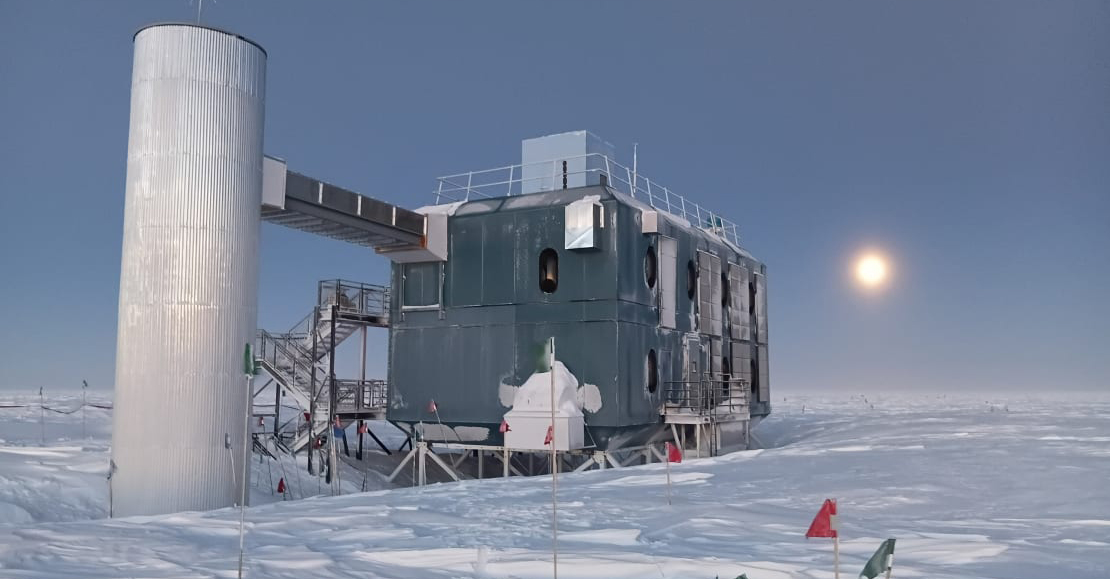
IceCube
The IceCube Neutrino Observatory is a particle detector at the South Pole that records the interactions of a nearly massless subatomic particle called the neutrino. IceCube searches for neutrinos from the most violent astrophysical sources: events like exploding stars, gamma-ray bursts, and cataclysmic phenomena involving black holes and neutron stars.
Learn More IceCube Website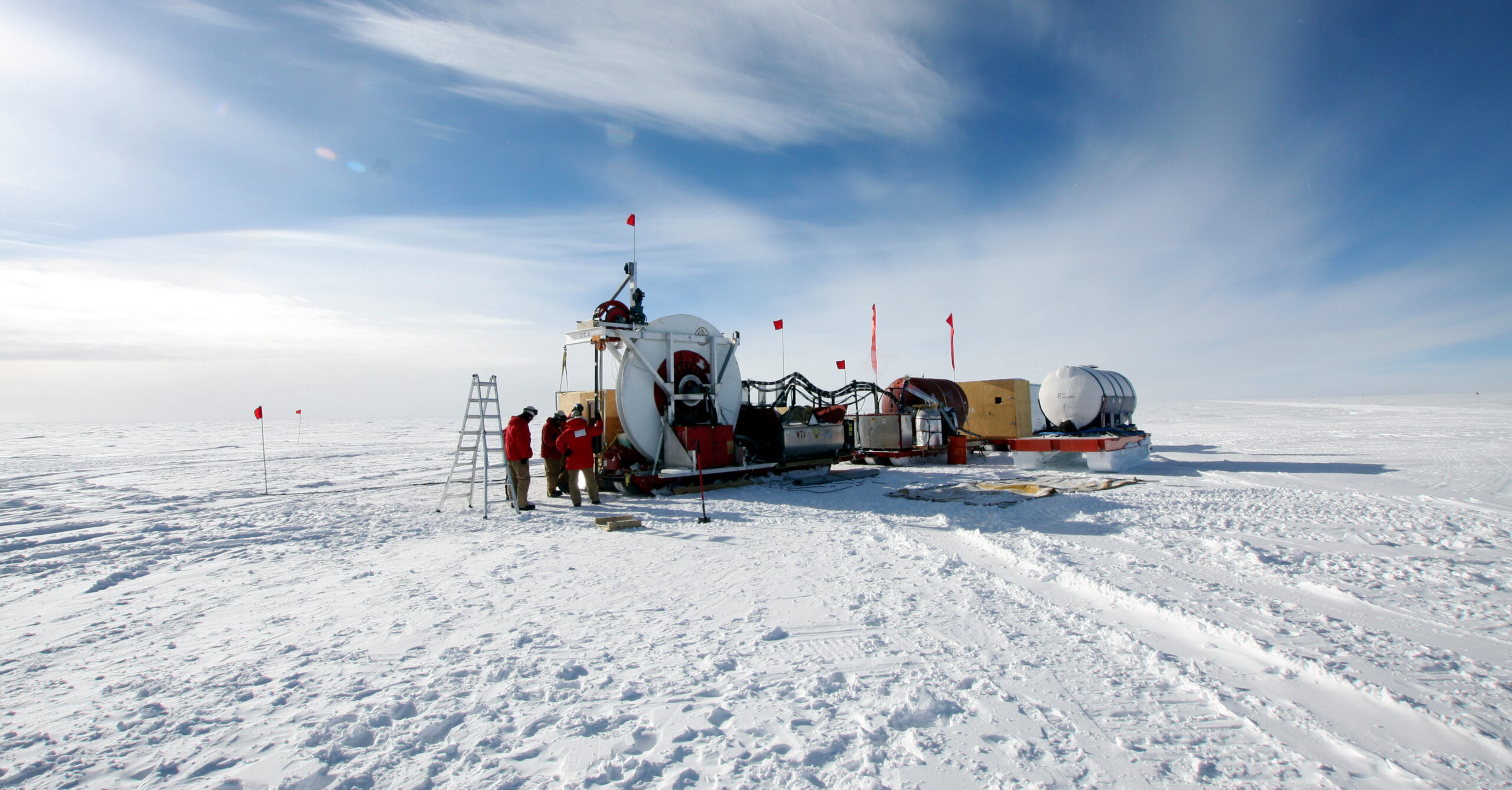
ARA
The Askaryan Radio Array (ARA) is a radio detector array operating at the South Pole, designed for the detection of ultra-high-energy cosmic neutrinos using the emission of radio pulses produced by interactions in the Antarctic ice. This instrument is an R&D device geared toward an IceCube-Gen2 radio detector. The goal is to detect the cosmogenic neutrino flux at energies above 1017 eV.
Learn More ARA Website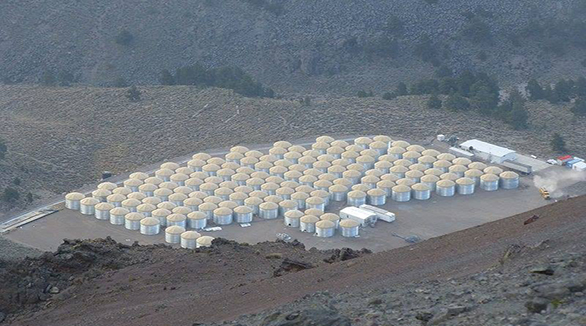
HAWC
The High-Altitude Water Cherenkov, or HAWC, experiment is a TeV-energy-scale gamma-ray observatory located at high altitude in Mexico. Its primary goal is to survey the Northern Hemisphere sky for steady and transient high-energy gamma rays and thereby determine the sources of Galactic cosmic rays. The instrument’s construction was completed in January 2015.
Learn More HAWC Website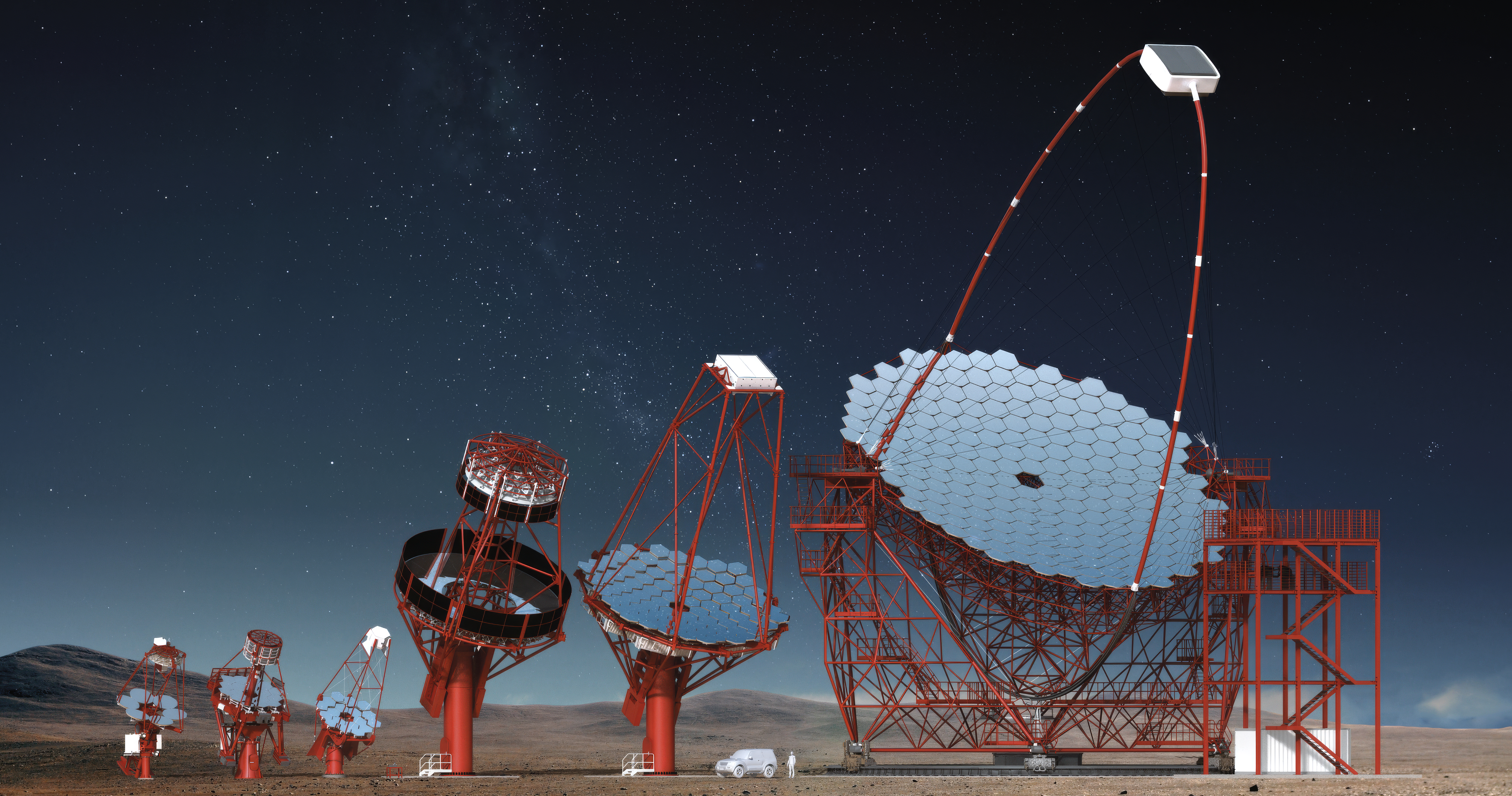
CTAO
The Cherenkov Telescope Array Observatory (CTAO) will use dozens of imaging atmospheric Cherenkov telescopes to detect gamma rays between 30 GeV and 100 TeV in energy. The main goals of CTAO are to understand the nature of dark matter and of extreme objects in the universe, including huge black holes at the center of distant galaxies and the remnants of exploded stars, which are possible sources of cosmic rays.
Learn More CTAO Website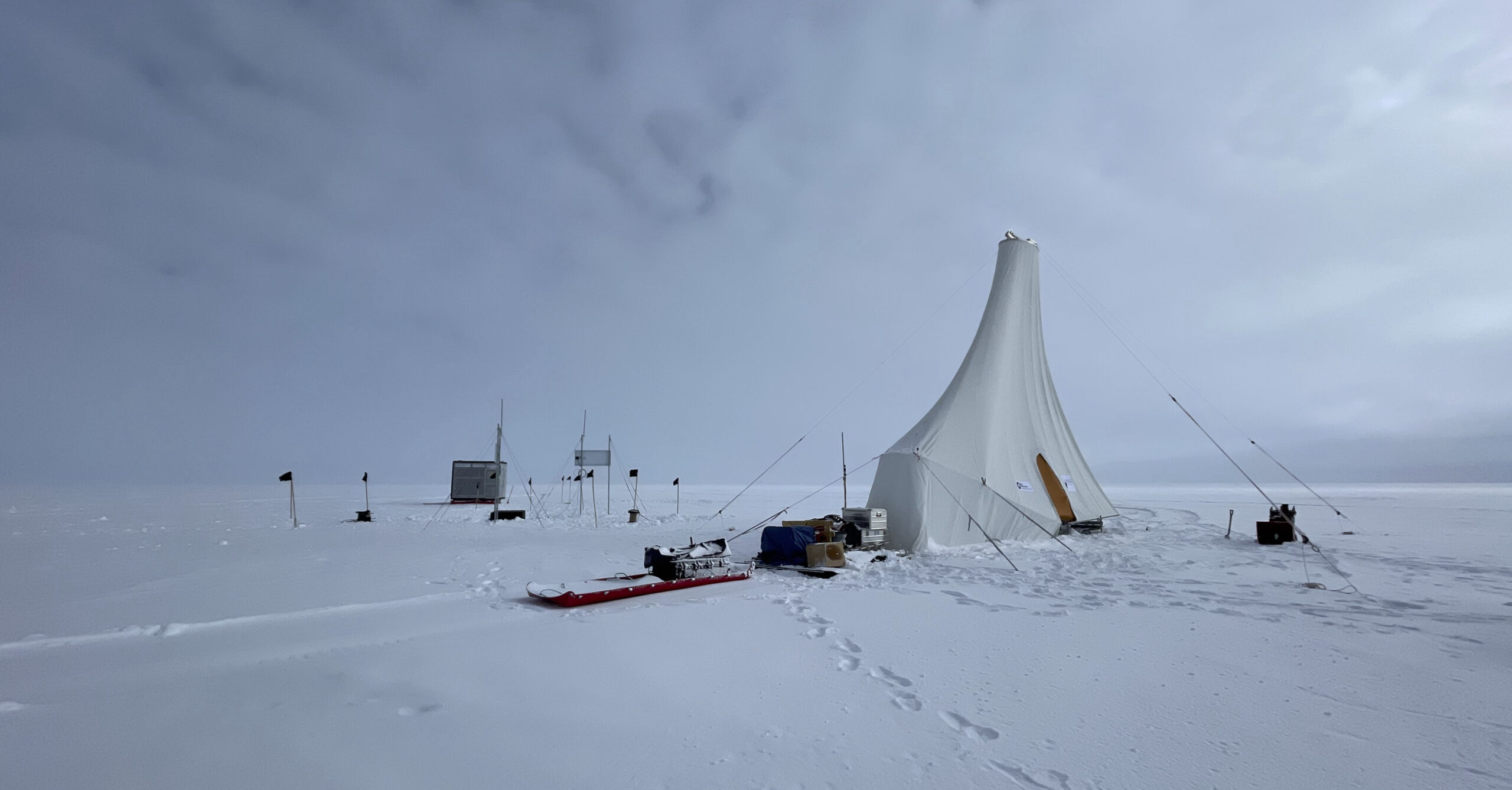
RNO-G
The Radio Neutrino Observatory in Greenland (RNO-G) is under construction at the Summit Station in Greenland to search for ultra-high-energy neutrinos. Each of the 35 stations to be deployed will have a surface component and a deep component (100 meters below the surface of the ice) that together enable the detection and detailed reconstruction of neutrino events.
Learn More RNO-G Website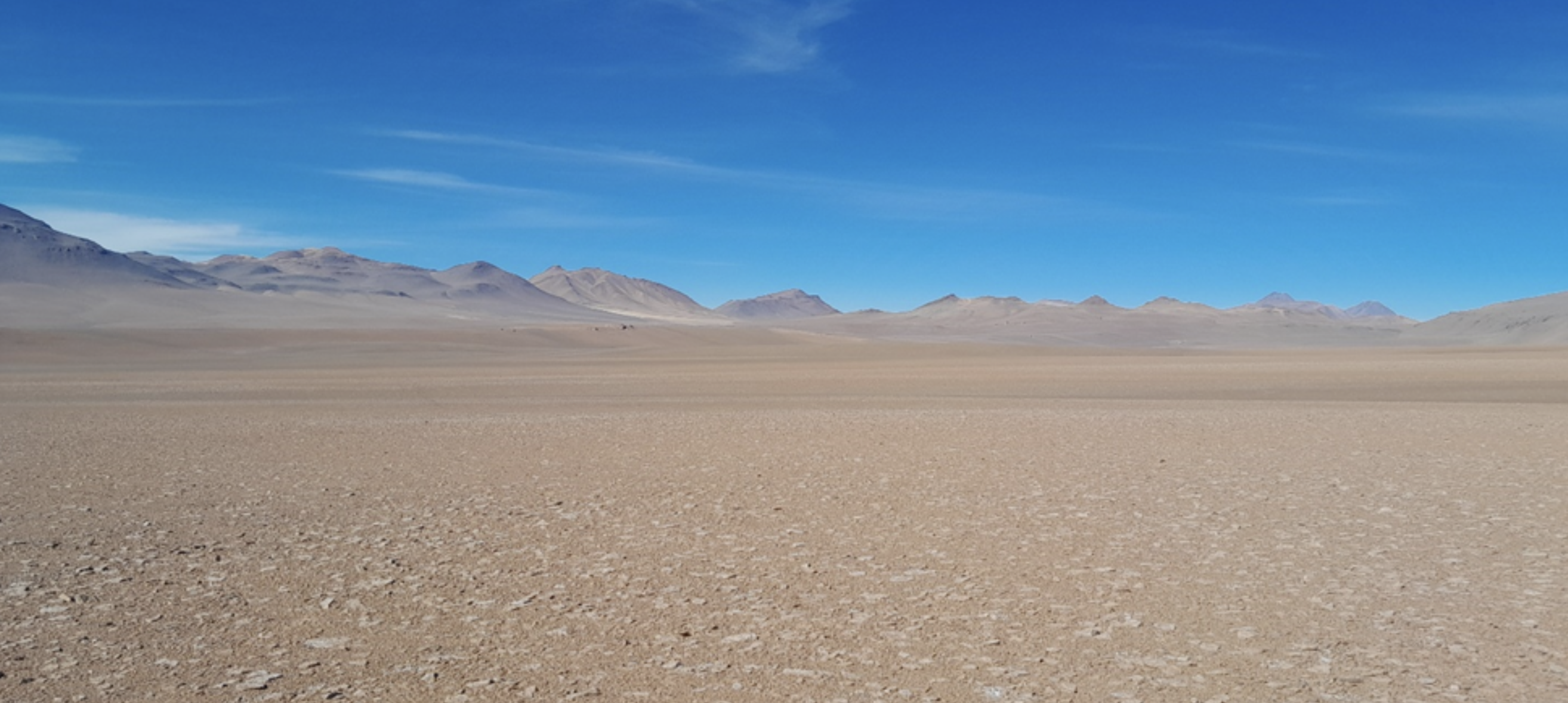
SWGO
The Southern Wide-field Gamma-ray Observa-tory (SWGO) is a planned ground-based gamma-ray detector in the Southern Hemisphere, designed to achieve a wide field of view and nearly 100% duty cycle. It will be located in Atacama Astronomical Park in Chile at an altitude of 4,770 meters. Similar to HAWC, its design is based primarily on water Cherenkov detector units.
Learn More SWGO Website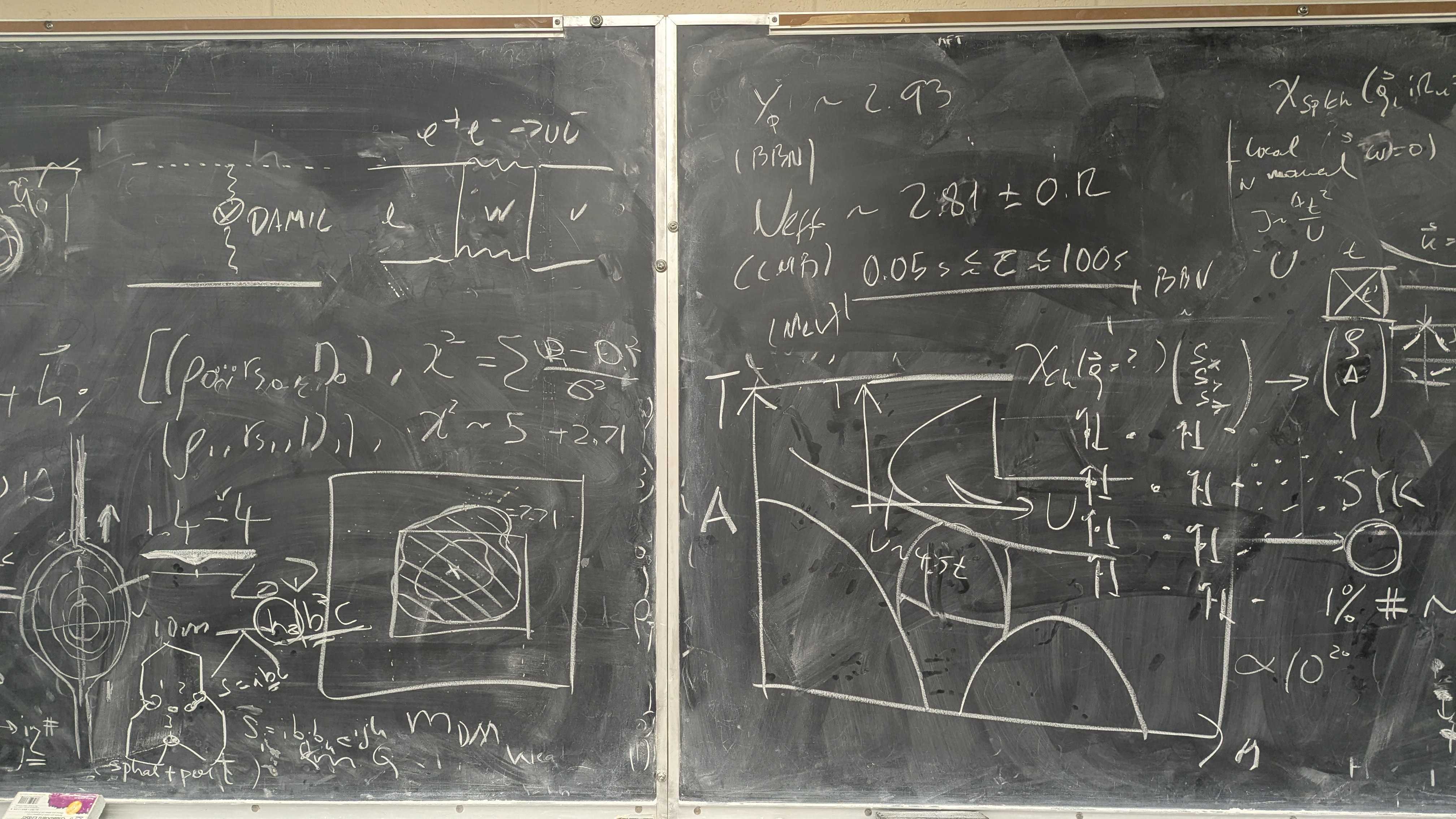
Theory
Theoretical astrophysics at WIPAC encompasses work on high-energy neutrinos, cosmic rays, gamma rays, dark matter, black holes, and the most extreme environments in the universe. Together with other researchers, students, and postdoctoral scholars at WIPAC, these scientists develop theoretical models and interpret data from experiments such as IceCube, HAWC, and future observatories, helping to advance our understanding of the high-energy universe.
Learn More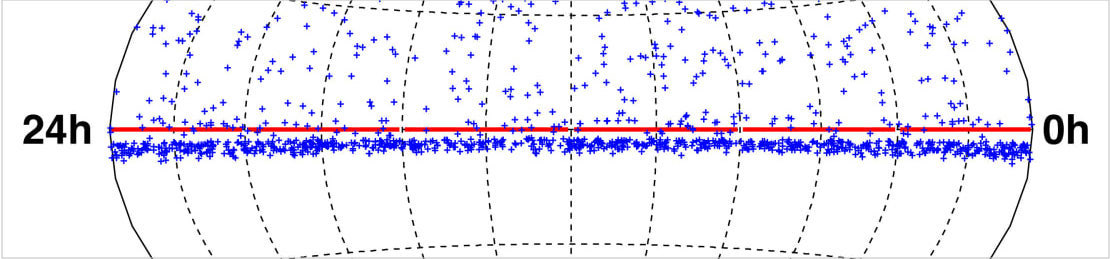
Past Projects
- AMANDA – The Antarctic Muon and Neutrino Detector Array (AMANDA) was a neutrino detector built at the South Pole, which served as a proof of concept for using the deep Antarctic ice as an enormous particle detector to study high-energy neutrinos. After nearly nine years of operation, it became part of its successor project IceCube.
- CHIPS – CHIPS, the CHerenkov Detectors in Mine Pits experiment, was an R&D project focused on designing and developing a cost-effective detector to study neutrinos and how they interact.
- DM-Ice – The DM-Ice, or Dark Matter-Ice, project deployed a prototype detector at the South Pole. The experiment’s goal was to search for dark matter using the time variation resulting from the motion of the detector relative to the dark matter halo as a signature.